 Match Analysis
Argentina 2-0 Austria: Messi Misses From the Spot, Then Rewrites History
The Verdict
The champions stroll into the round of 32, and their 38-year-old captain turns a missed penalty into the most storied night of an already unmatched career.
18+. Odds for information only and subject to change. Please gamble responsibly.
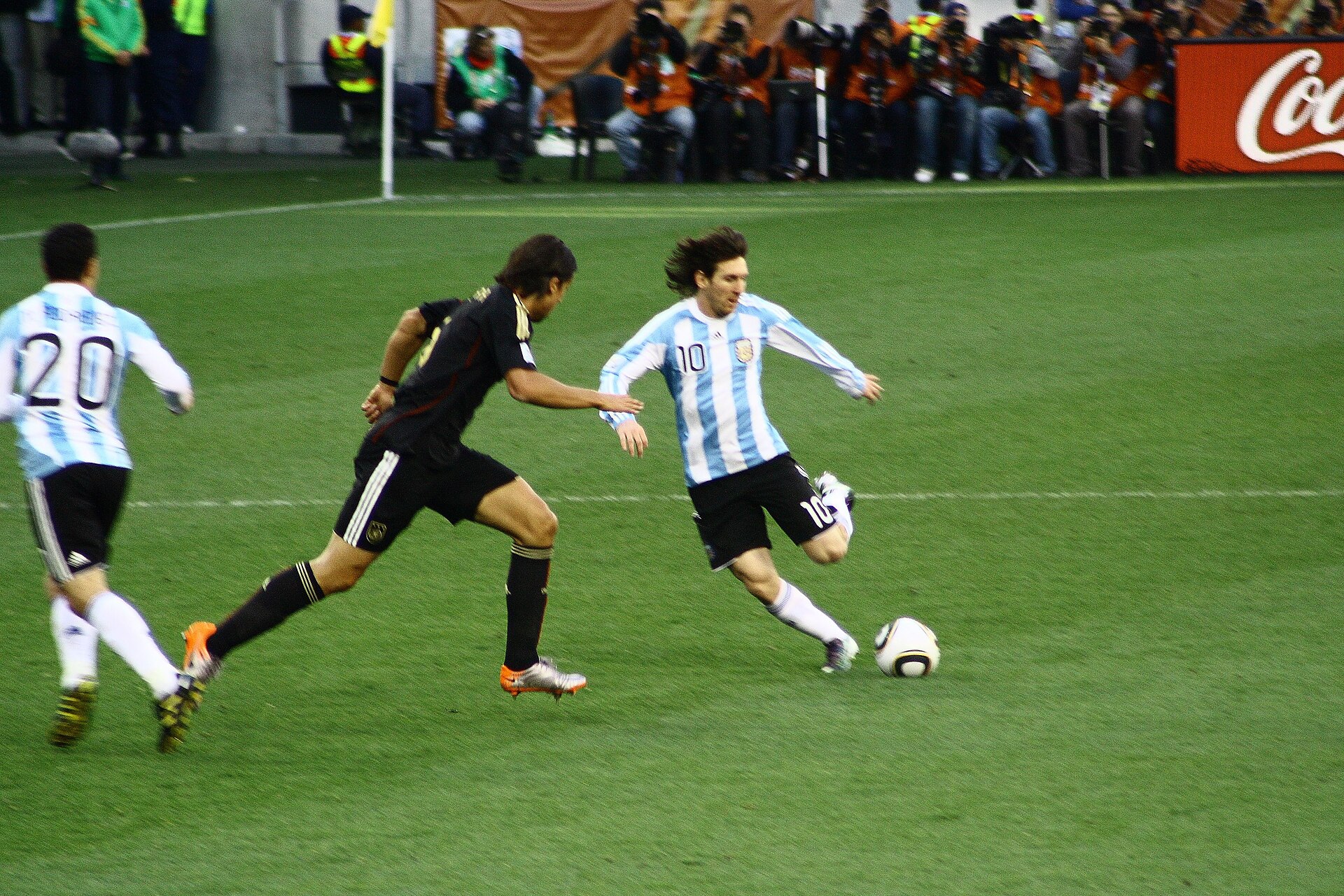
For a quarter of an hour in Dallas, it looked as though Lionel Messi might let the record wait. He had blazed a ninth-minute penalty wide, the surest moment of the night spurned, and Austria were organised, awkward and unafraid. By full time none of it mattered. Messi scored twice — the first to break a record that had stood since 2014, the second to set one that may stand for a generation — as Argentina beat Austria 2-0 to march into the round of 32. It was the kind of evening only he seems to script.
The penalty was the twist that made the rest land harder. Lautaro Martínez was hauled down by Stefan Posch inside the area on nine minutes, and Messi — who has converted these in his sleep for two decades — stepped up and dragged it wide of the post. It was his third missed penalty at a World Cup, after Iceland in 2018 and Poland in 2022, an oddly human flaw in an otherwise superhuman tournament record, and for half an hour it threatened to be the story.
Instead it became the prelude. On 38 minutes Messi did what he has done at six World Cups now: he found a yard of space at the top of the box, took a low ball in stride and finished first time, low and certain, before the goalkeeper had set himself. It was his 17th goal at a World Cup, one more than Miroslav Klose, whose mark of 16 had stood as the men's record since the 2014 final. The oldest milestone in the men's game, gone in an instant.
And he was not finished. Deep into stoppage time Messi struck again — his 18th — and the number carried a second, larger meaning. Klose's 16 was the men's record; the all-time World Cup record across both the men's and women's tournaments belonged to Brazil's Marta, on 17. Messi's first goal had drawn him level with her; his second carried him past, so he leaves Dallas not merely as the leading scorer in men's World Cup history but as the outright top scorer the competition has ever produced.
The context only deepens the disbelief. This is Messi's sixth World Cup — a tournament record in itself — and he has now scored in six consecutive World Cup matches stretching back to Qatar. Three games ago he equalled Klose with a hat-trick against Algeria; here, at 38 and in what he has said will be his final campaign, he turned the page entirely. Sides built around veterans are supposed to fade. This one, and this player, are doing the opposite.
Austria will feel the scoreline was harsh on a disciplined, committed display. They defended in numbers, stayed compact between the lines and, until Messi's first, had largely smothered Argentina's rhythm — the missed penalty had given them every reason to believe. But the margins at this level are unforgiving, and a single moment from the sport's greatest player was enough to break them, then a second to bury them. The defeat leaves their own qualification hanging by a thread.
For Argentina, the night was almost serene. The world champions did not need to be at their fluent best; they needed Messi, and Messi delivered, as he so often has. They are through to the round of 32 with a group game to spare, their captain is rewriting the record books rather than merely defending a crown, and the rest of the field has been served notice. The holders are advancing quietly, ominously — and the man leading them is, on the evidence of Dallas, still the best reason to watch a World Cup at all.
More Analysis
 Match Analysis
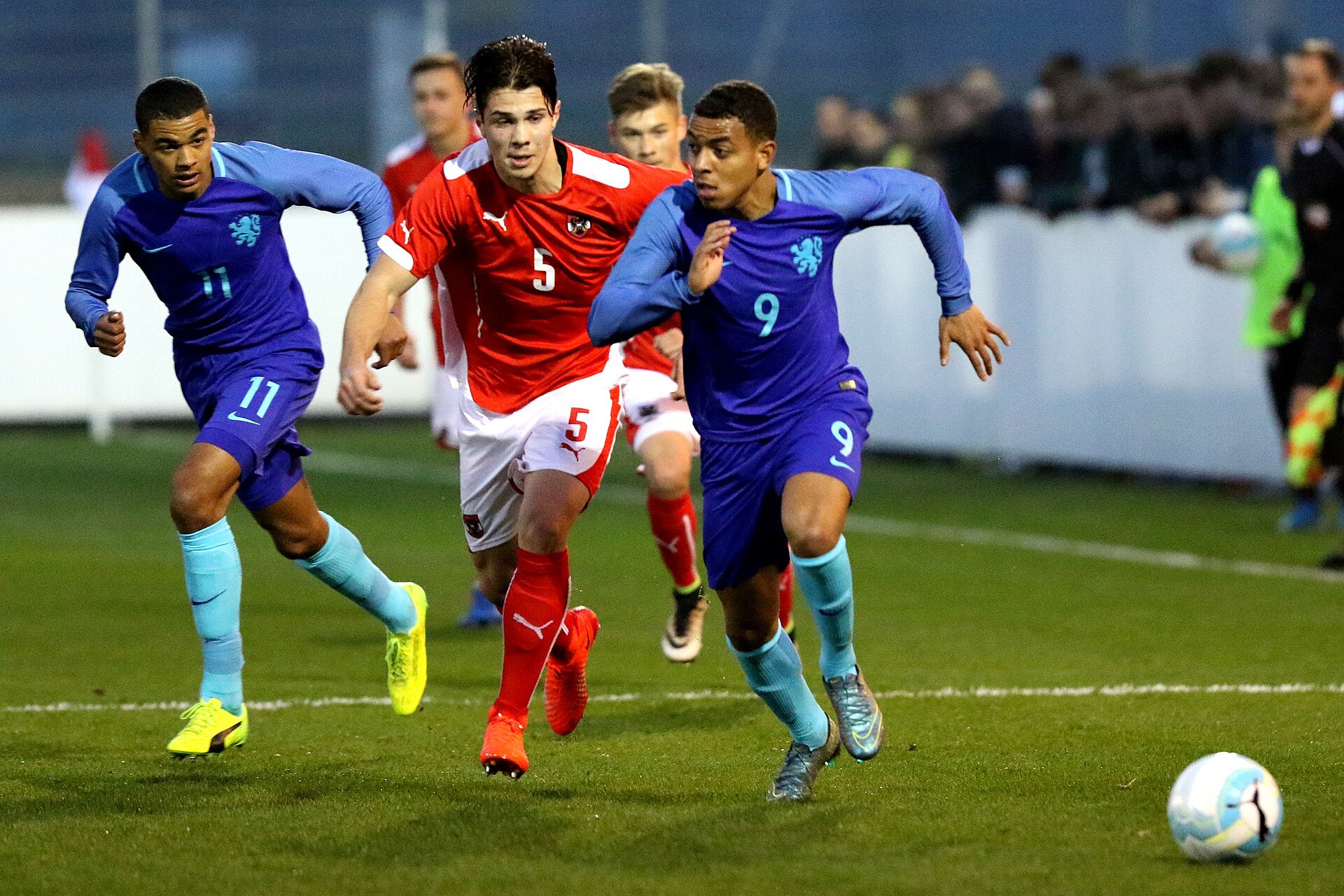
Netherlands 5-1 Sweden: Brobbey and Gakpo Doubles Power a Statement Rout
Brian Brobbey struck twice inside the first 17 minutes and the Netherlands never looked back. A clinical 5-1 win in Houston that announced the Dutch as serious World Cup contenders.
 Match Analysis
Germany 2-1 Ivory Coast: Undav's Super-Sub Double Completes the Comeback
Ivory Coast led through Franck Kessié and looked the better side. Then Germany sent on Deniz Undav, and he scored twice — including a 94th-minute winner — to flip the game and seal a knockout place.
 Match Analysis
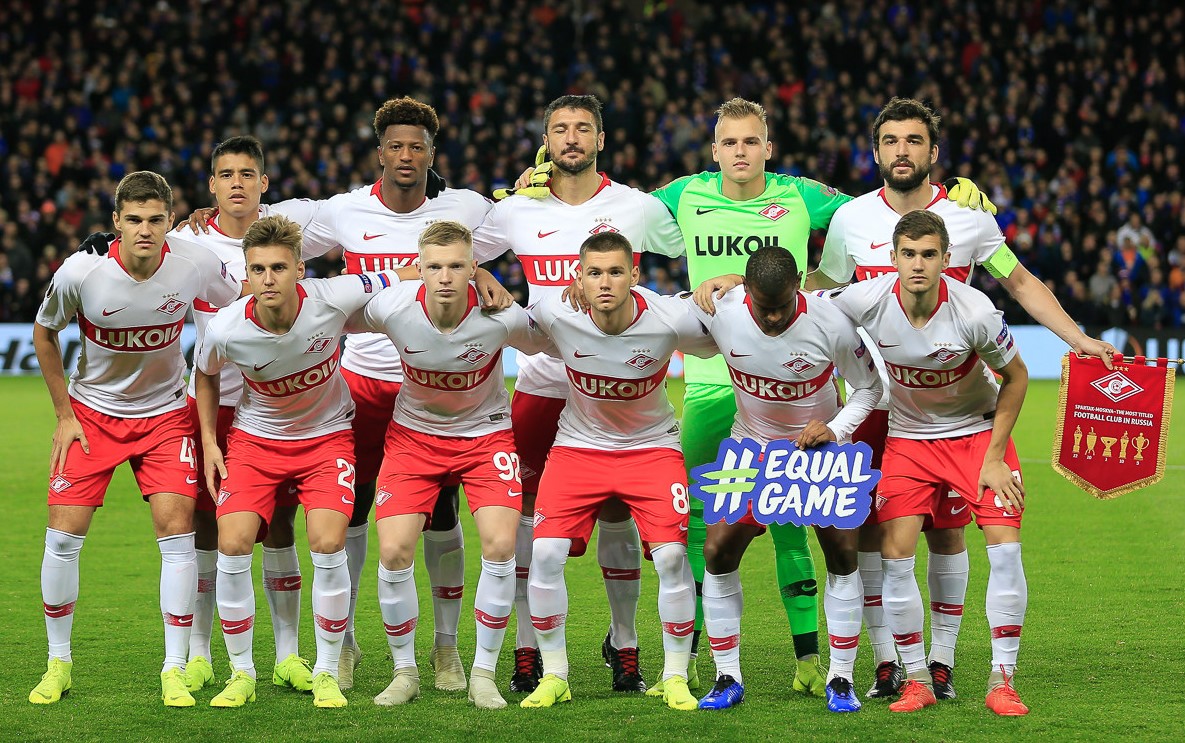
Paraguay 1-0 Turkey: Ten-Man Paraguay Send the Dark Horses Home
Turkey needed a win to survive and had more than an hour against ten men to find one. They couldn't. Inside the tournament's biggest dark-horse collapse — and the fatal flaw that undid them twice.